


CULTURAL WELFARE INTERVENTIONS IN PRISONS. The results of an initial evaluation survey
Regional Observatory on Culture. Note 1/2026 | Edited by S. Iommi, with the collaboration of D. Marinari
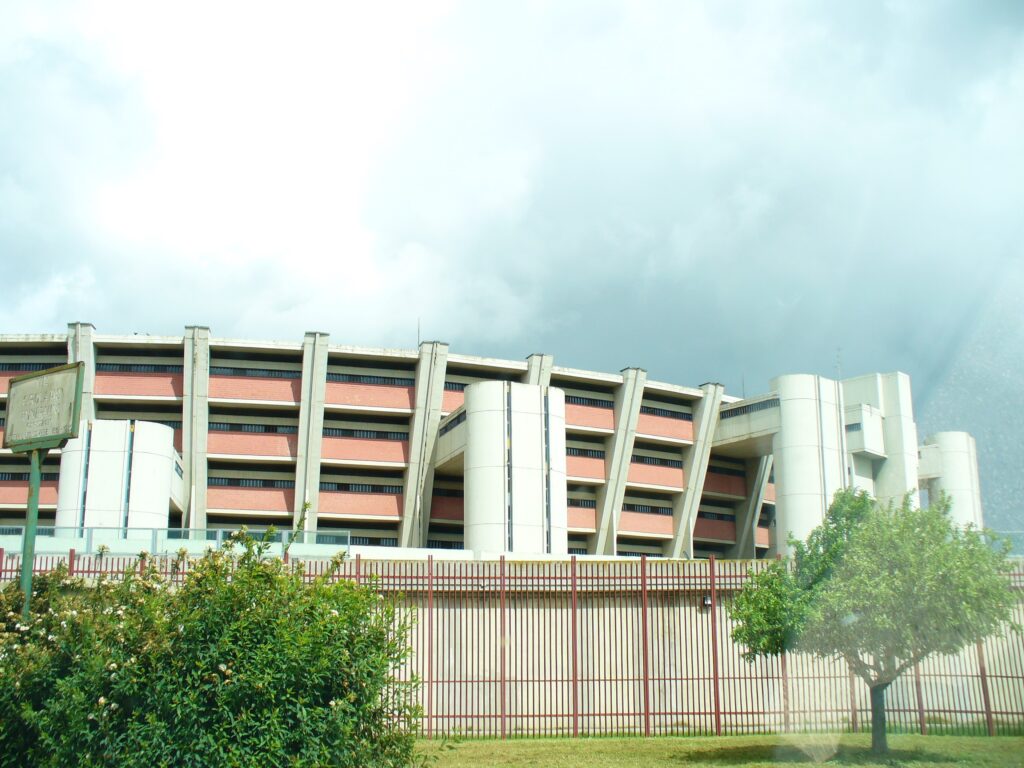
In this note, we present the results of an initial experimental evaluation survey on the impact of cultural welfare activities funded by the Tuscany Region, through ministerial funds, in prisons throughout the region.
The rehabilitative purpose of punishment, enshrined in the Constitution and gradually reaffirmed in subsequent legislation, is implemented through so-called treatment activities, which include education (under the jurisdiction of the Ministry) and vocational training (under the jurisdiction of the regions), the opportunity to work (often for the prison administration itself, in activities required for the functioning of the detention facilities), and cultural, recreational, and sports activities. Among the cultural activities promoted in prisons, theater is the most widespread and longest-running. Introduced on an experimental basis in the 1970s, it became established in the late 1980s, with an internationally renowned project developed in Tuscany in the prison of Volterra and with Regional Law 21/2010 supporting theater projects in prisons and social theater. This is because theater acts on many crucial dimensions of the re-education process, is a means of self-expression, requires cooperation and discipline, involves contact with an outside audience, and addresses themes of existential reflection. More recently, theater has been joined by other cultural activities with similar potential, such as creative writing, musical activities, other forms of artistic expression, etc. Cultural welfare activities, therefore, although often less structured than those more strictly related to education and training, contribute significantly to social reintegration and the prevention of recidivism.
It is in this context that the initiative, promoted by the Culture and Sport Department of the Tuscany Region in collaboration with the PRAP (Regional Penitentiary Administration) and with the scientific support of IRPET, has matured, aimed at assessing the impacts associated with cultural activities by participating prisoners and by the relevant prison staff. The particular conditions of the project beneficiaries did not allow for a rigorous counterfactual analysis in this first phase, with ex-ante and ex-post questionnaires for the treatment and control groups. Each subject was therefore given a single questionnaire, aimed at assessing their perception of change in relation to three psychological-behavioral areas: self-esteem, interpersonal relationships, and well-being. Prison staff were also given a single questionnaire to assess their perception of the changes that had taken place in the prisoners involved in cultural activities. A total of 103 questionnaires were obtained from participants and 20 from staff. Unfortunately, these numbers are limited, which requires caution in interpretation, but they nevertheless provide interesting food for thought.
You might also be interested in...
Regional Culture Observatory. Note 2/2026 | Edited by S. Iommi. The analysis of the SIL-RT data was conducted by D. Marinari
Osservatorio regionale della Cultura. Nota 4/2025 | By S. Iommi

Regional Observatory on Culture. Note 3/2025 | Edited by S. Iommi

Regional Observatory on Culture. Note 2/2025 | Edited by S. Iommi, statistical analysis by D. Marinari


