

Position Paper 46/2026 by C. Agnoletti and C. Ferretti
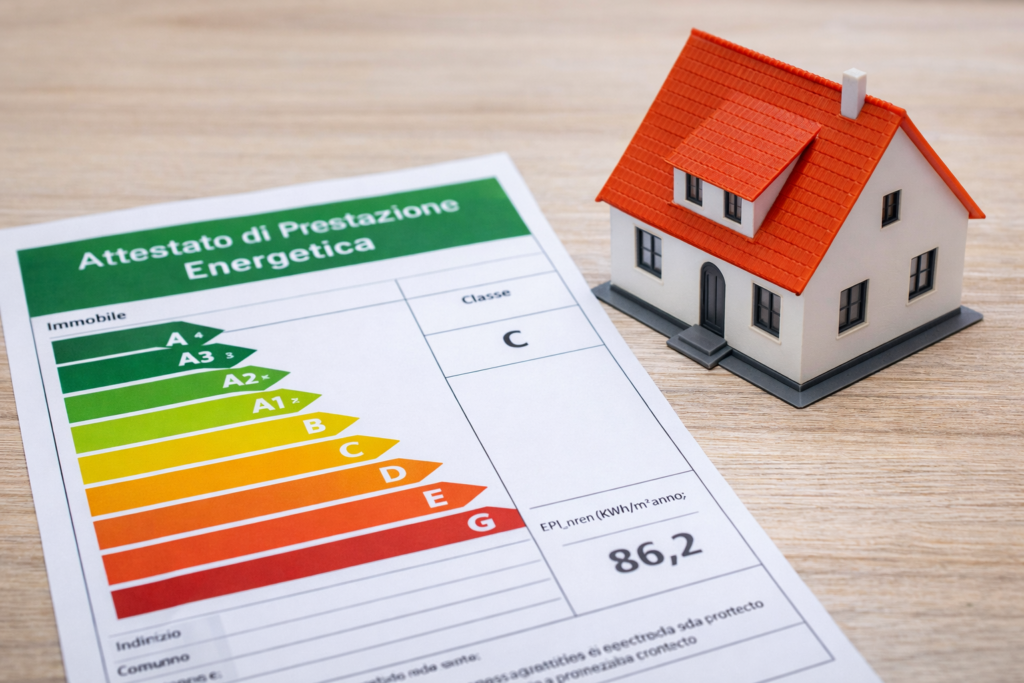
The increase in tourist numbers observed in the post-pandemic years, especially in certain highly attractive areas, may represent an important stimulus for improving the energy performance of the housing stock.
On the one hand, the growth in tourist flows leads to greater demand for accommodation, which encourages owners to renovate their properties to make them more competitive on the market. An energy-efficient home guarantees greater thermal and acoustic comfort, lower running costs and a better overall experience for guests.
On the other hand, energy efficiency helps to limit the environmental impact of tourism, a sector characterised by high energy consumption. Measures such as insulating buildings, replacing obsolete systems, installing renewable energy production systems and adopting technologies to control consumption make it possible to limit greenhouse gas emissions and reduce resource consumption. In tourist areas with high seasonal density, these measures can have a particularly significant effect on the overall energy balance of the area.
The relationship between tourism and energy efficiency also has significant economic and social implications. Investments in building renovation can generate positive effects on the local economy, creating jobs in the construction and plant engineering sectors and enhancing the value of existing real estate. At the same time, more efficient housing benefits not only tourists but also improves the quality of life of residents, contributing to a more balanced and sustainable development of destinations.