


Fragile Territories in Tuscany: Between Hydrogeological Risk and Public Spending
Position Paper 26/2023 by C. Agnoletti, C. Ferretti and S. Turchetti
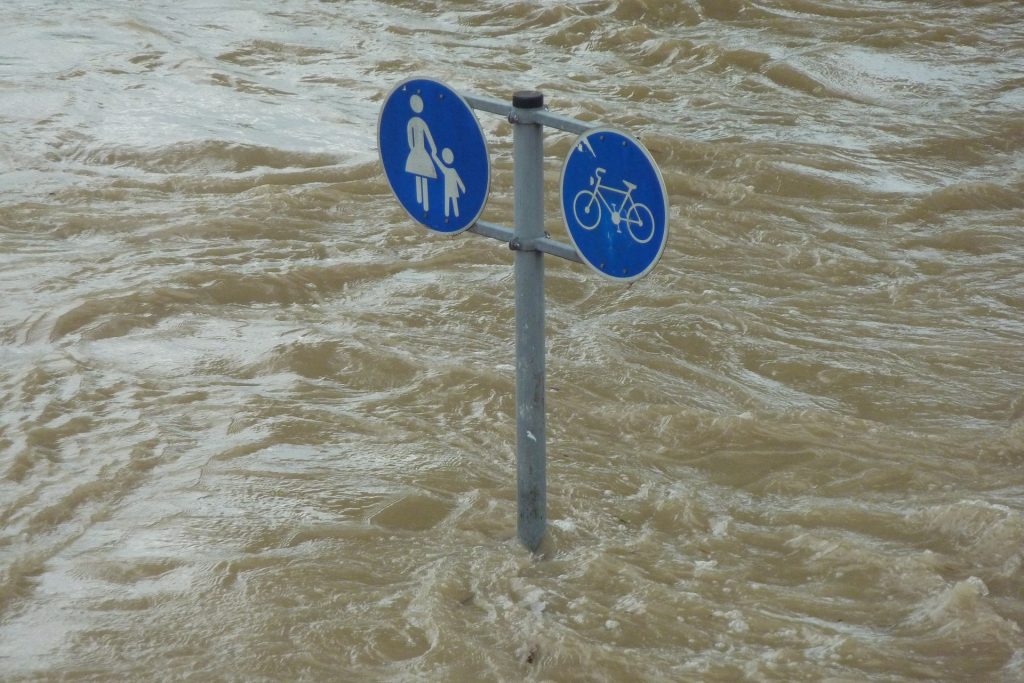
This note aims to provide an overview of the territorial fragility of Italian regions, particularly Tuscany, in terms of exposure to hydrogeological risk and the tools implemented by public administrations to contain it. The first section focuses on the quantification and localization of hydrogeological risk in Italy, while the second section describes the public resources allocated to land use planning and environmental protection. Finally, the final section focuses on the link between agricultural abandonment and increased hydrogeological risk and on the Common Agricultural Policy (CAP) resources allocated to counteract it.
Hydrogeological instability, the most frequent manifestations of which are landslides and floods, is one of the phenomena that most exposes the population to risk. The level of exposure depends both on the natural characteristics of the territory, particularly morphological, geological, and hydrographic, and on human activity, which can worsen, even severely, an original state of fragility. Human activities that can negatively impact hydrogeological stability range from soil sealing linked to human activity (construction of infrastructure, settlements, etc.), especially in fragile areas, to the abandonment of agricultural land, and even the deforestation of hillsides or mountains.
While much progress has been made in monitoring and understanding the characteristics of phenomena related to hydrogeological instability, as evidenced by the growing focus on reducing land consumption and promoting regeneration practices, there is persistent inertia regarding prevention policies, especially regarding the amount of financial resources allocated. Prevention interventions, in fact, have suffered for years from the same contraction that has affected all public investments in general and continue to be one of the areas identified for defunding of the PNRR funds. This leads to a lack of land maintenance works, further increasing the risk of landslides and floods.
You might also be interested in...

Position Paper 51/2026 by L. Ghezzi and N. Sciclone

Position Paper 50/2026 by E. Alberti, S. Duranti, L. Ravagli and N. Sciclone

Position Paper 49/2026 by M. Mariani and N. Sciclone
Position Paper 48/2026 by L. Ghezzi, M. L. Maitino, L. Piccini, and N. Sciclone


