


Is culture good for your health? A pseudo-panel approach to data from the ISTAT Multiscopo survey – Aspects of Everyday Life
Working paper 13/2025 edited by S. Iommi (IRPET), M. L. Maitino (IRPET), E. Pirani (University of Florence), M. Pittavino (Ca' Foscari University of Venice) - ISBN 978-88-6517-224-7
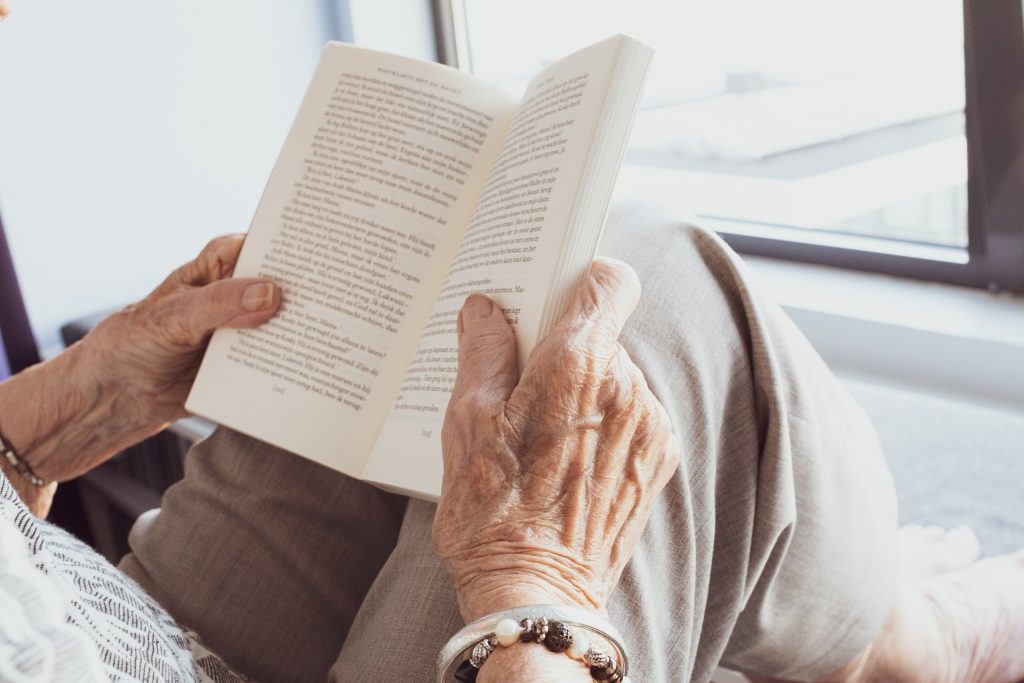
Working Paper n. 13/2025 | ISBN 978-88-6517-224-7 – © IRPET, 2025
One of the main challenges facing contemporary societies, marked by an ageing population, is to ensure optimal health and well-being for all citizens for as long as possible. Attention to factors that influence health and wellbeing has expanded from material factors to intangible ones, linked to sociality and emotional wellbeing. Alongside good nutrition and physical activity, cultural participation is increasingly becoming part of a healthy lifestyle, with its positive effects on cognitive functions, psychological and emotional wellbeing, and interpersonal relationships.
The aim of this study is to verify the existence of a statistical causal relationship between cultural consumption and subjective perception of health status. The study uses existing data from the ISTAT Multiscopo – Aspetti della Vita Quotidiana (Aspects of Daily Life) sample survey, which contains information on both areas. Since the data are cross-sectional, it was necessary to transform them into a longitudinal perspective using a pseudo-panel approach. Groups of similar individuals (“entities” in the text) were created and observed over time from 2005 to 2019. The different types of cultural consumption were grouped by area using principal component analysis (PCA) to assess their effectiveness.
The results confirm that cultural consumption has a positive effect on perceptions of health, although the intensity varies depending on the area of activity. This suggests that greater attention and targeted interventions are needed in this sector.
You might also be interested in...

Working paper 14/2026 by S. Iommi and D. Marinari
Working paper 12/2024 di R. Paniccià

Working paper 11/2024 by T. Ferraresi, S. Iommi, L. Piccini

Working paper 10/2024 by S. Duranti and F. Bogazzi


