


The need for qualified services for the Industry 4.0 transition of Tuscan small and medium-sized enterprises
By N. Faraoni and M. Mariani
The report was edited by Natalia Faraoni and Marco Mariani within the IRPET Productive Sectors and Businesses Research Area. Renato Paniccià (IRPET) served as consultant. The study is part of the joint IRPET-Tuscany Region activities for 2023, where it is listed as “Analysis of the need for qualified services in the digital transition” (Activity No. 3). The report is also part of IRPET’s evaluation contribution, for 2023, to the Smart Specialization Strategy for Tuscany 2021-2027, required by Regional Government Resolution No. 1321 of November 28, 2022, Appendix A. The authors thank the following for their valuable and constructive collaboration: CNA Toscana (especially Agnese Fazolo and Simone Balducci), Confartigianato Toscana (especially Laura Simoncini), Confindustria Toscana (especially Silvia Ramondetta), the Digital Innovation Hub staff, and the companies that participated in the interviews and focus groups, respectively.
Edited by Elena Zangheri.
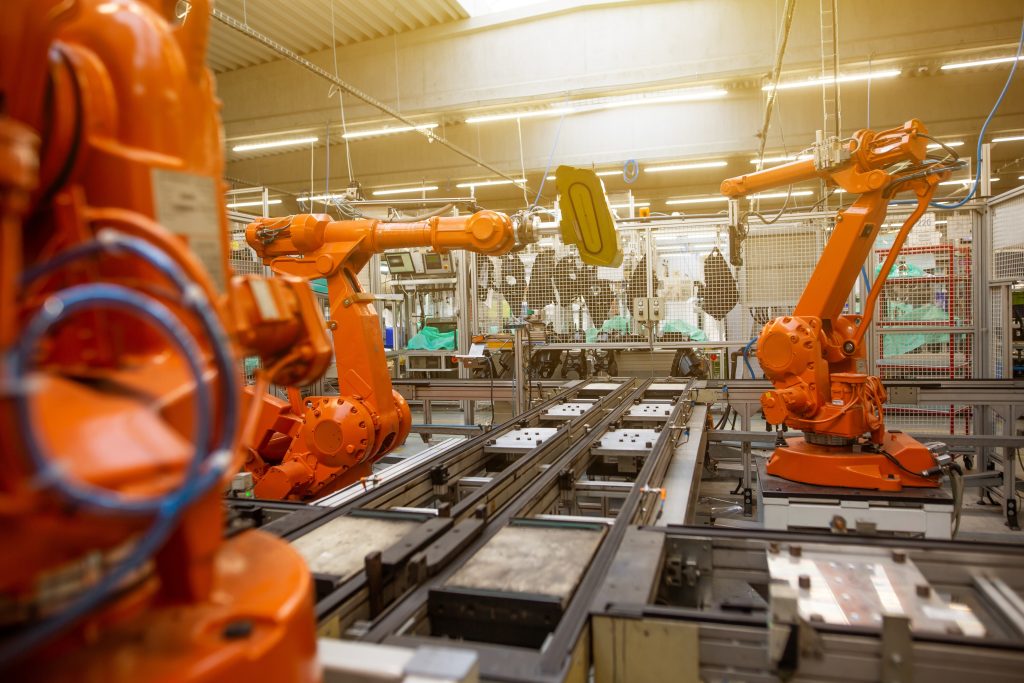
In the manufacturing sector, digitalization is combined with the automation and robotization of production processes, also known as Industry 4.0. The report focuses on the need of small Tuscan manufacturing companies to acquire external expertise in the qualified services market, including through existing technology intermediation structures aimed at initiating or supporting the 4.0 transition. The national Transition 4.0 plan delegates technology intermediation functions, among others, to the digital innovation hubs of trade associations. Several years after their establishment, these structures are repositories of useful knowledge to demonstrate the demand for services related to the digital transition from small businesses and to outline their needs for the near future. Through a series of face-to-face interviews with digital innovation hubs active in Tuscany and a focus group with manufacturing companies from the fashion and mechanical sectors, the study profiles the demand for services related to the digital transition expressed by small regional manufacturing companies and identifies which, among the 4.0 technology areas, are currently potentially most generating demand for services or may do so in the future.
You might also be interested in...


Research by C. Agnoletti. Statistical analysis by D. Marinari.

Research conducted by R. Paniccià. Working group: M. Donati and T. Ferraresi. Survey conducted by Winpoll S.r.l.s.

Research edited by S. Clò, A. Gugliotta, M. G. Pazienza (University of Florence), and M. Mariani (IRPET). Collaborators included N. Faraoni and L. Piccini (IRPET).


