


The PIU – Urban Innovation Projects – and the quality of the landscape
By C. Agnoletti and V. Patacchini
The report was edited by Chiara Agnoletti and Valentina Patacchini as part of the Productive Sectors and Businesses research area coordinated by Marco Mariani. The study is part of the joint Irpet-Tuscany Region activities for 2023, where it is listed as “Effects of PIUs funded by the 2014-2020 ERDF POR on landscape quality” (Activity No. 5). Marco Mariani, Patrizia Lattarulo, and Renato Paniccià contributed to the design of the work. IZI – Metodi, Analisi e Valutazioni Economiche S.p.A. collaborated. Editing by Elena Zangheri.
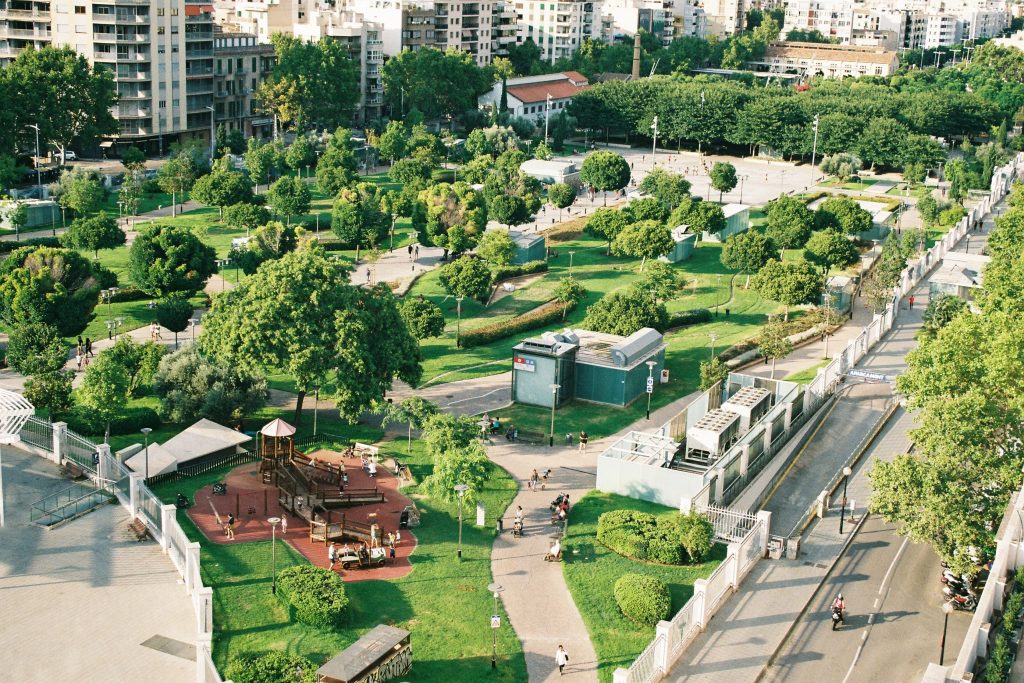
The aim of this work is to populate the urban quality perception indicator, required by the evaluation procedures for interventions under the urban axis of the ERDF ROP 2014-2020, namely Urban Innovation Projects (PIU). The urban regeneration interventions have involved both small and medium-sized urban centers and some urban areas of provincial capitals and are composed of a coordinated set of actions aimed at addressing social, economic, and environmental issues. To this end, in each of the locations targeted by the regeneration interventions, the projects have included a mix of operations addressing soft mobility, the redevelopment of public spaces and recreational facilities, and the repurposing of abandoned spaces and buildings. The objective of these interventions, which address multiple dimensions, is to improve the quality of life and the urban landscape. Although initiated some time ago, the PIUs are at varying stages of implementation, and not all interventions have been completed and tested. Taking this aspect into account, the research quantifies—through a telephone sample survey—the improvement in urban quality perceived or expected by residents of the municipalities affected by the interventions, depending on whether the projects are more or less completed. Assessments of the perceived quality of the landscape are particularly interesting when they refer to residents of the neighborhoods affected by the interventions, in which case they are more directly interpretable as judgments on the quality potentially brought about by the intervention itself.
You might also be interested in...

Research by C. Agnoletti. Statistical analysis by D. Marinari.

Research conducted by R. Paniccià. Working group: M. Donati and T. Ferraresi. Survey conducted by Winpoll S.r.l.s.

Research edited by S. Clò, A. Gugliotta, M. G. Pazienza (University of Florence), and M. Mariani (IRPET). Collaborators included N. Faraoni and L. Piccini (IRPET).


